
Eyelid Surgery: Upper Eyelids
Excess skin can cause a feeling of heaviness and/or functional problems. A comprehensive assessment of brow position, symmetry, volume distribution around the eyes and eye health forms the basis for any treatment.

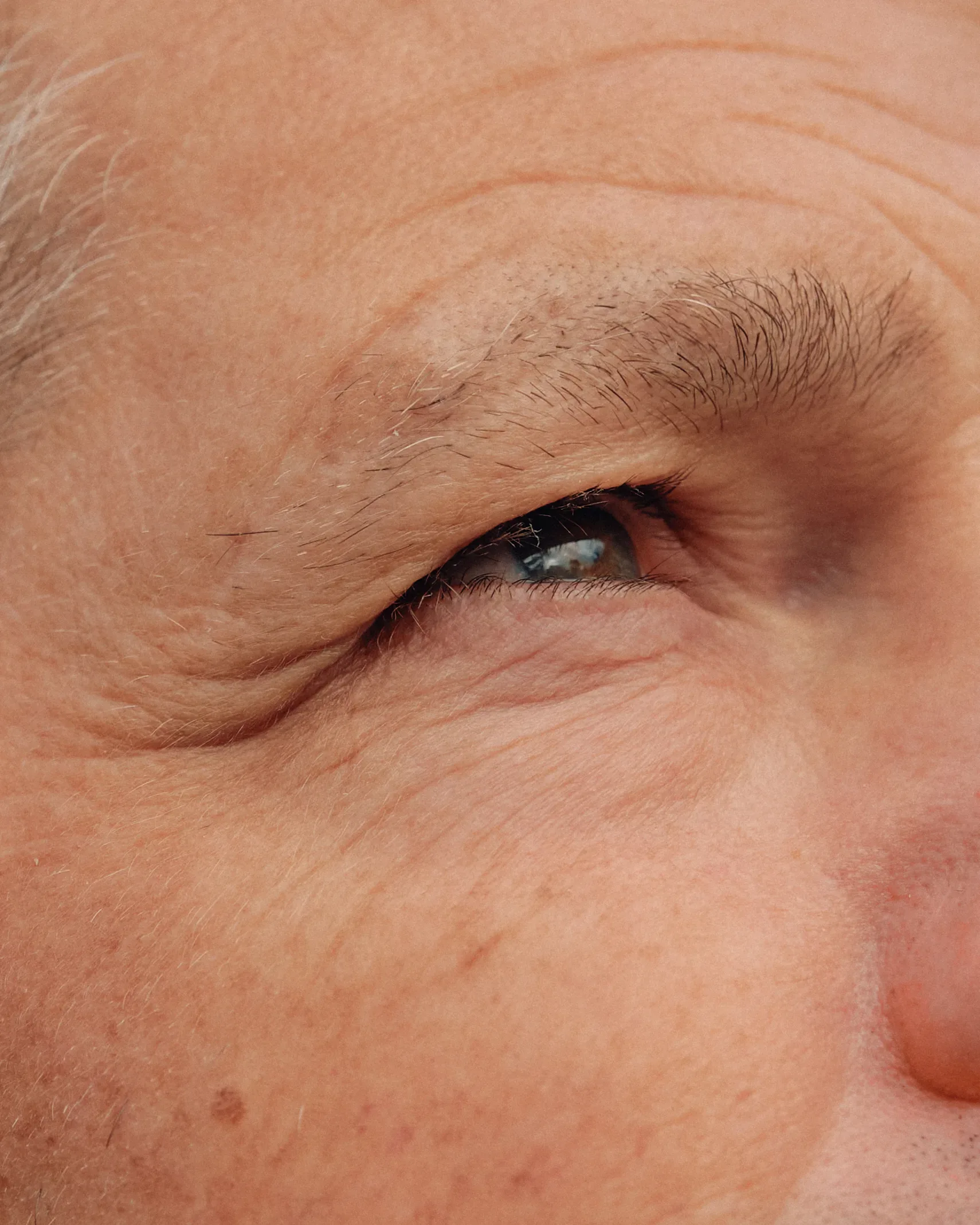
Excess skin on the upper eyelid, often called dermatochalasis, is common and can develop gradually with age. Some people find their eyelids feel heavy, the skin may rest over the eyelid crease, and some also experience functional problems. Upper eyelid surgery, or upper blepharoplasty, involves removing excess skin. When needed, a limited amount of underlying tissue can also be treated. A good assessment looks at more than how much skin can be removed. The anatomy of the eyelid, brow position, any ptosis, eye health, dryness and the overall proportions of the face must all be considered together. The goal is an individually tailored treatment that respects the function of the eyelid and gives a natural expression.
Who may be suited to upper eyelid surgery?
Upper eyelid surgery may be relevant for:
excess skin on the upper eyelid
heavy or drooping eyelids
skin that rests over the natural eyelid crease
asymmetry between the eyelids
functional problems related to the excess skin
It is also important to distinguish between excess eyelid skin, eyelid ptosis and a low brow position. These conditions can occur separately or together and require different assessment and treatment.
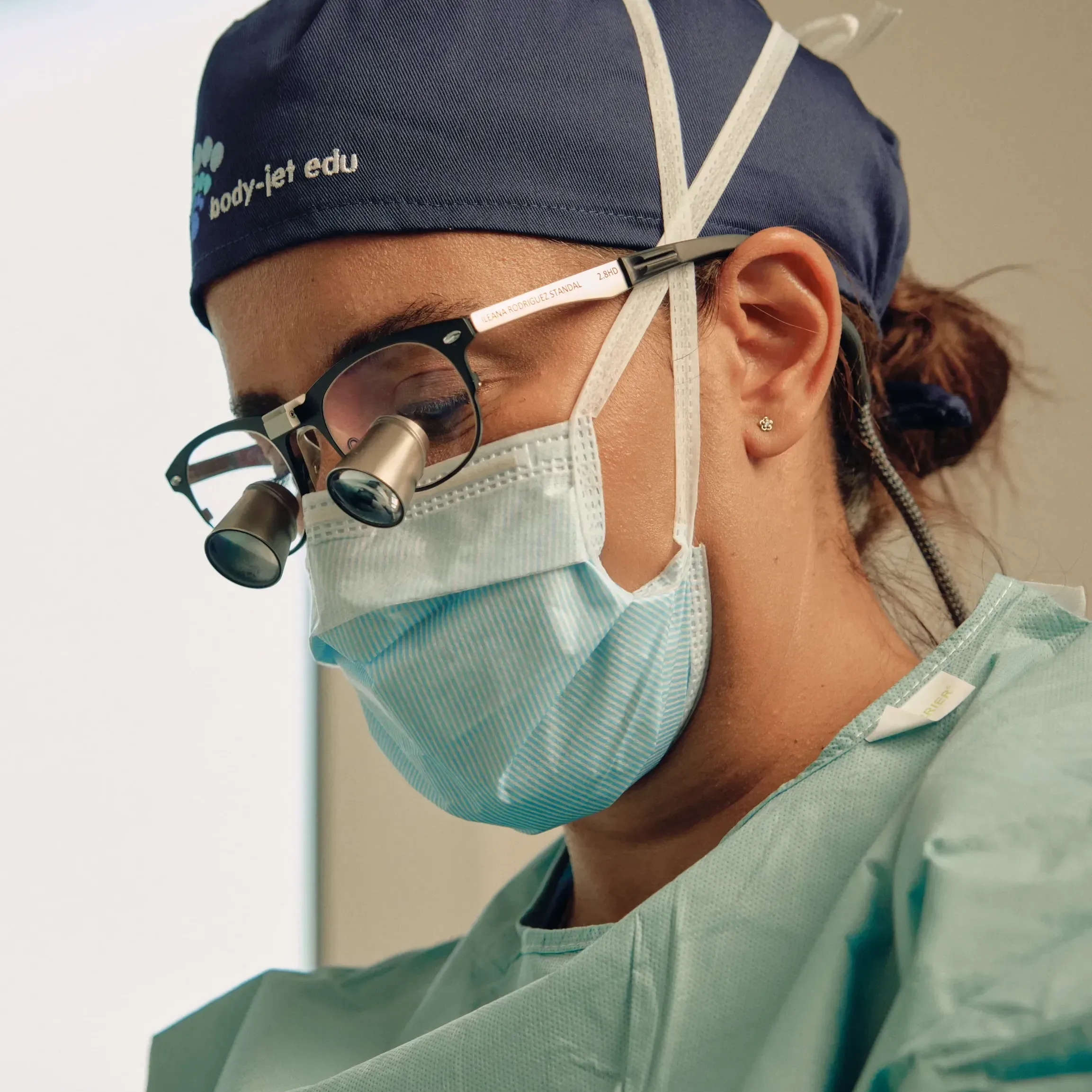
Eyelid, ptosis or brow?
A heavy eye area is not always caused only by excess skin on the upper eyelid.
The brows are anatomically and functionally connected to the upper eyelid. When the brows are low, more skin can be pushed down toward the eyelid. In some people the eyelid margin itself also sits lower than normal, which is called ptosis.
For this reason, the upper eyelid should not be assessed in isolation.
During the consultation we assess, among other things:
the amount and distribution of excess skin
the height and shape of the brows
the symmetry of the eyelids
the position of the eyelid crease
any eyelid ptosis
the eyelid's ability to close
signs of dry eyes or irritation
previous eye or eyelid surgery
This assessment is essential for deciding whether upper blepharoplasty is the right treatment.
Dry eyes and eye health before surgery
Upper eyelid surgery affects structures that are important for eyelid closure and the surface of the eye.
For this reason, questions about dry eyes, irritation, contact lenses, previous eye surgery and general eye health are part of the preoperative assessment.
Patients who already have dry eyes may in some cases experience a temporary worsening after the procedure. If there are symptoms or risk factors, further assessment may be needed before surgery.
How is upper eyelid surgery performed?
The procedure is usually performed under local anesthesia.
Before the operation, the excess skin is carefully marked. The incision is usually placed in the natural eyelid crease, so that the scar follows the anatomy of the eyelid.
Excess skin is removed. When needed, the surgery may also include limited treatment of underlying tissue.
How extensive the procedure should be is assessed individually. The aim is to correct the excess skin without compromising the function of the eyelid or its ability to close the eye.
Where is the scar after eyelid surgery?
The scar is usually placed in the natural crease of the upper eyelid and, when needed, extended slightly toward the outer corner.
At first the scar may be red or more visible. Over time it gradually matures and usually becomes less noticeable.
Scar maturation takes several months and varies from person to person.

The period after eyelid surgery
Swelling and bruising are expected after upper eyelid surgery and are usually most pronounced in the first few days.
Stitches are removed by appointment.
Many people can return to work and normal social activities after about one to two weeks, but recovery varies.
Mild residual swelling, a feeling of tightness, dryness or changes in sensation may last longer.
The final result is assessed only after swelling and scar tissue have had time to mature.
How long do the results last?
Skin that has been removed during surgery does not return in the same way.
The natural aging process continues, however, and the skin, brows and tissue around the eyes will gradually change over time.
The duration of the result therefore varies from person to person.
Risks and possible complications
Upper eyelid surgery is a common surgical procedure, but as with all surgery there are risks.
Possible complications include:
bleeding and hematoma
infection
pronounced or prolonged swelling
dry or irritated eyes
temporary difficulty closing the eye completely
asymmetry
a visible or irregular scar
altered sensation
too little or too extensive correction
the need for later correction
Serious complications affecting vision are very rare, but they will be discussed as part of informed consent before surgery.

Consultation for eyelid surgery in Bergen
An individual consultation is required before any surgery.
During the consultation we assess both the eyelids and the area around the eyes, including excess skin, brow position, symmetry, any ptosis and factors that may affect eye health.
You will also receive information about what can realistically be achieved, possible limitations, the surgical process, recovery and risks.
How we work
Phase 1
Consultation
The first consultation is about understanding your needs and assessing whether surgery is the right treatment. You receive a thorough medical assessment, information about possibilities and limitations, and plenty of time to ask questions before making a decision.
Phase 2
Treatment plan
If treatment is appropriate, an individual plan is drawn up. The patient receives information about preparations, the procedure itself and what matters in the period afterwards.
Phase 3
Treatment
Treatment is carried out with a focus on professional precision, safety and natural results. Each procedure is tailored to the patient and performed only when there is a clear indication.
Phase 4
Follow-up
Follow-up is an important part of the treatment. The patient is closely monitored during the healing phase, with clear information about what is normal, what requires attention and what the road ahead looks like.
Price list
Prices incl. VAT
Upper eyelid surgery (local anesthesia)
27 500,–
Lower eyelid surgery
From 39 000,–
Combined upper and lower eyelid surgery
59 000,–
Combined upper and lower eyelid surgery with brow lift
65 000,–
Brow lift (direct brow lift under local anesthesia)
36 000,–
Additional charge for general anesthesia
15 000,–
Volume treatment around the eyes with own fat
By appointment
Frequently asked questions
How do I know which treatment is right for me?

During the consultation we go through what you want help with, your medical history, medications, previous procedures and relevant findings. You receive a professional assessment of the available options, limitations and alternatives, including when surgery is not recommended.
Can several treatments be combined?
Some procedures can be combined, but this is assessed individually. The extent of surgery, operating time, anaesthesia, medical risk and expected recovery must all be safe. Some treatments should be carried out in separate sessions.
What type of anaesthesia is used?
The procedure can be performed under local or general anaesthesia. The choice depends on the treatment area, the extent of the procedure and an individual medical assessment. At the consultation we review which type of anaesthesia is suitable for you. The final plan is agreed before the procedure.
Is the result permanent?
The fat cells that are removed are usually not replaced by new fat cells in the same number. However, the remaining fat cells and the body's tissue can still change with weight changes, ageing, hormones and pregnancy. No treatment can guarantee a specific or lasting cosmetic result.
What is included in the price of surgery?
Price and content are confirmed in the written treatment offer. Scheduled follow-up appointments, suture removal and any local anaesthesia or sedation are normally included. Any extras, such as general anaesthesia, compression garments or an overnight stay, are agreed in advance.
Considering treatment? Start with a safe assessment.
book a consultation