
Gynecomastia and pseudogynecomastia
Enlarged male breasts can be caused by glandular tissue, fatty tissue or a combination of both. The treatment is adapted to the cause and anatomy.

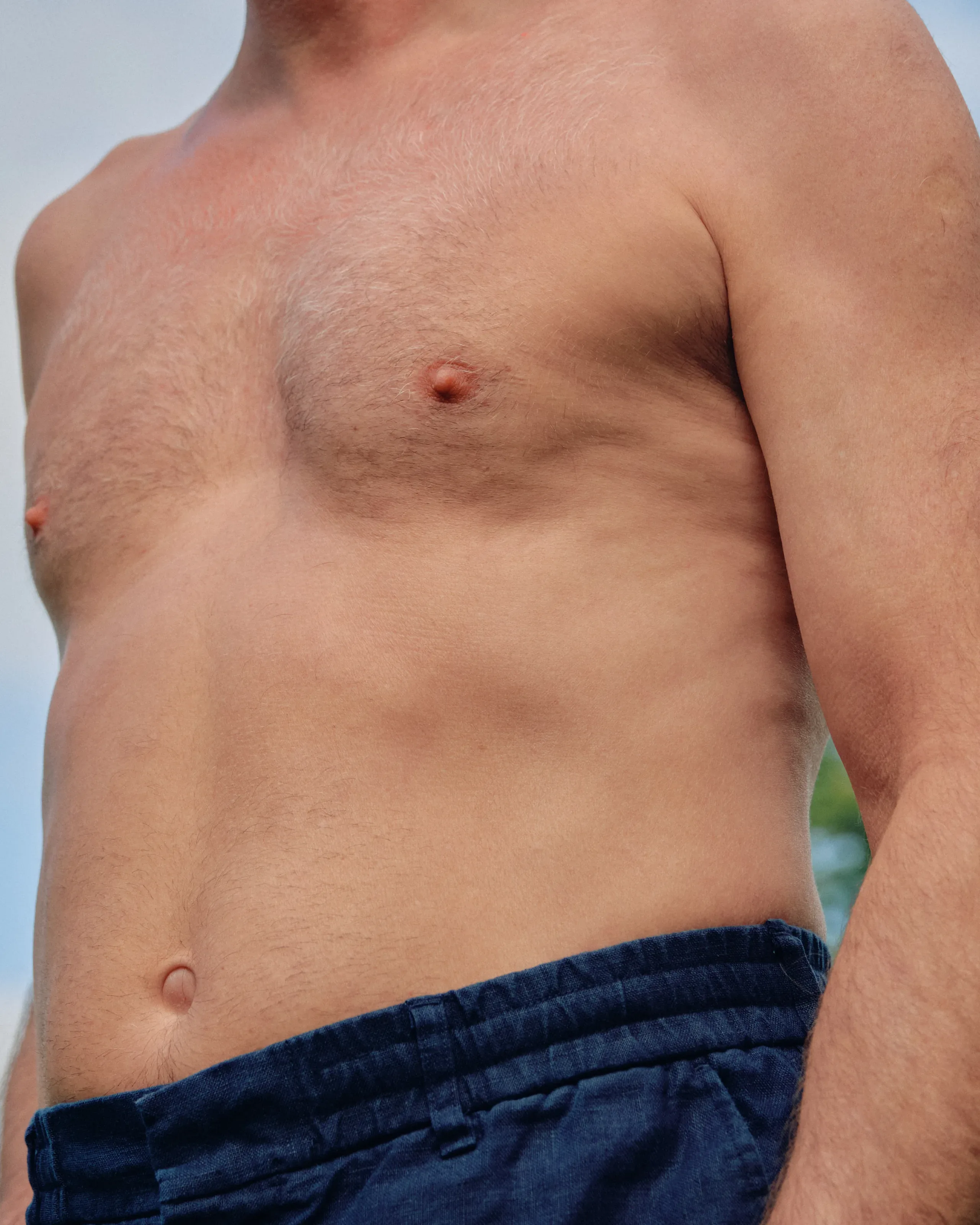
Who may the treatment suit?
Relevant when the condition is stable and any medical cause has been assessed. Medications, hormones, weight and excess skin are part of the assessment.
How the treatment is performed
Fatty tissue can be reduced with liposuction, while firm glandular tissue is removed through a small incision at the nipple. With more excess skin, skin surgery may be necessary.

The time after the treatment
A compression vest is worn as agreed. Swelling and tenderness gradually subside, and exercise is built up step by step.

Important to know
Risks include bleeding, fluid accumulation, dents or unevenness, asymmetry, altered sensation, scarring and the need for correction.
How we work
Phase 1
Consultation
The first consultation is about understanding your needs and assessing whether surgery is the right treatment. You receive a thorough medical assessment, information about possibilities and limitations, and plenty of time to ask questions before making a decision.
Phase 2
Treatment plan
If treatment is appropriate, an individual plan is drawn up. The patient receives information about preparations, the procedure itself and what matters in the period afterwards.
Phase 3
Treatment
Treatment is carried out with a focus on professional precision, safety and natural results. Each procedure is tailored to the patient and performed only when there is a clear indication.
Phase 4
Follow-up
Follow-up is an important part of the treatment. The patient is closely monitored during the healing phase, with clear information about what is normal, what requires attention and what the road ahead looks like.
Price list
Prices incl. VAT
Gynecomastia (liposuction and gland removal)
59 000,–
Pseudogynecomastia
50 000,–
Frequently asked questions
How do I know which treatment is right for me?

During the consultation we go through what you want help with, your medical history, medications, previous procedures and relevant findings. You receive a professional assessment of the available options, limitations and alternatives, including when surgery is not recommended.
Can several treatments be combined?
Some procedures can be combined, but this is assessed individually. The extent of surgery, operating time, anaesthesia, medical risk and expected recovery must all be safe. Some treatments should be carried out in separate sessions.
What type of anaesthesia is used?
The procedure can be performed under local or general anaesthesia. The choice depends on the treatment area, the extent of the procedure and an individual medical assessment. At the consultation we review which type of anaesthesia is suitable for you. The final plan is agreed before the procedure.
Is the result permanent?
The fat cells that are removed are usually not replaced by new fat cells in the same number. However, the remaining fat cells and the body's tissue can still change with weight changes, ageing, hormones and pregnancy. No treatment can guarantee a specific or lasting cosmetic result.
What is included in the price of surgery?
Price and content are confirmed in the written treatment offer. Scheduled follow-up appointments, suture removal and any local anaesthesia or sedation are normally included. Any extras, such as general anaesthesia, compression garments or an overnight stay, are agreed in advance.
Considering treatment? Start with a safe assessment.
book a consultation