
How We Work
A safe and well-considered treatment pathway begins with a thorough medical assessment and clear information. At ILEANA, each treatment is planned individually, with a focus on high professional quality, realistic expectations and personal follow-up throughout the process, from the first consultation to the period after treatment.
book a consultation
Phase 1
Consultation
Initial assessment
The first consultation is about understanding your needs and assessing whether surgery is the right treatment. You receive a thorough medical assessment, information about possibilities and limitations, and plenty of time to ask questions before making a decision.

Phase 2
Treatment plan
An individual plan tailored to you
If treatment is appropriate, an individual plan is drawn up. The patient receives information about preparations, the procedure itself and what matters in the period afterwards.

Phase 3
Treatment
Safe treatment
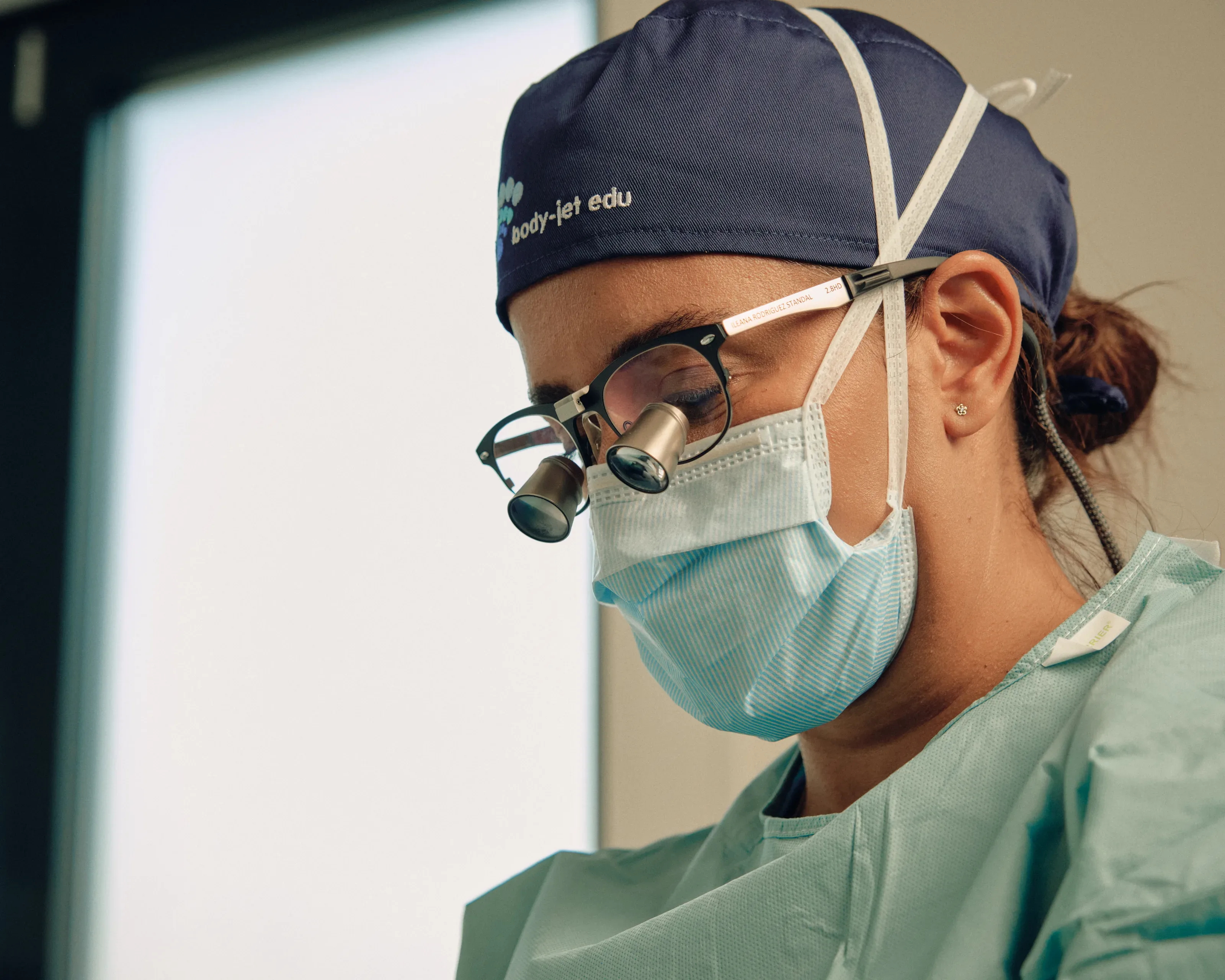
Treatment is carried out with a focus on professional precision, safety and natural results. Each procedure is tailored to the patient and performed only when there is a clear indication.
Phase 4
Follow-up
Follow-up every step of the way
Follow-up is an important part of the treatment. The patient is closely monitored during the healing phase, with clear information about what is normal, what requires attention and what the road ahead looks like.

Frequently Asked Questions
Who will guide me through the treatment process?

Dr. Ileana Rodríguez Standal has medical responsibility and follows you from the first assessment to the final check-up. For surgery, she works with qualified surgical and anaesthesia staff as the procedure requires.
How is patient safety ensured?
All patients are assessed individually before treatment. We review health information, medications, risk factors and necessary tests. The extent of treatment, anaesthesia and follow-up are planned with safety in mind, and procedures are postponed or advised against if the risk is considered too high.
How is the time after surgery planned?
You receive written information about wound care, activity, compression, medications and warning signs. Check-ups are adapted to the procedure, and you are told whom to contact if you have questions or concerns.
What does an individual treatment plan mean?
Two people with the same problem may need different treatment. Anatomy, symptoms, skin quality, previous procedures, health, life situation and goals all influence the recommendation. The plan therefore describes both what is proposed and what should not be done.
What happens if surgery is not recommended?
You receive an honest explanation of the assessment and, where relevant, advice on other measures or further investigation. The aim is not to perform as many procedures as possible, but to find a safe and medically sound course of action.
Considering treatment? Start with a safe assessment.
book a consultation